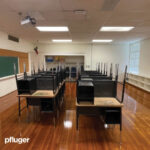
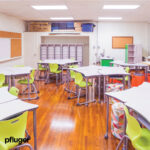
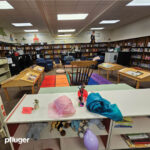
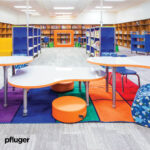
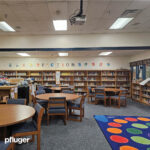
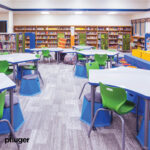
There is a moment that happens in every classroom, although it rarely makes its way into a strategic plan. The desks are lined up neatly. The lesson is ready. Students shuffle through the door carrying backpacks that seem to grow larger every year. The teacher greets them, takes attendance, and the day begins. Then, almost without thinking, the room starts to change. A desk slides across the floor so two students can work together. Another is pulled into a small group gathered around a science experiment. Someone moves a chair into the hallway to finish a reading assignment in peace. Before long, the carefully arranged classroom bears little resemblance to the one the custodian left the evening before.
No one tells the furniture to move. It moves because learning does. Teachers have always been remarkably resourceful. Long before flexible seating became an educational trend, they were borrowing tables from neighboring classrooms, stacking textbooks to create standing desks, or rearranging furniture between class periods because the room was not keeping pace with the way students learned. A classroom is never truly static. It is constantly adapting to the needs of the people inside it.
Yet, when districts begin talking about improving learning environments, the conversation often starts with buildings. We need a new campus. We have outgrown this facility. We need a bond. Sometimes those things are true, but sometimes the greatest obstacle is not the building itself. It is that the environment no longer supports the way teachers teach or the way students learn.
That realization became the starting point for Seguin ISD’s journey, working alongside Pfluger to rethink how learning environments could better support instruction. Rather than beginning with the question, “What furniture should we buy?” district leaders asked something far more important: “What kind of learning experience do we want every student to have?” The answer helped shape decisions across more than 300 classrooms, not because the district spent lavishly on furniture, but because each decision was guided by a shared educational vision rather than a product catalog.
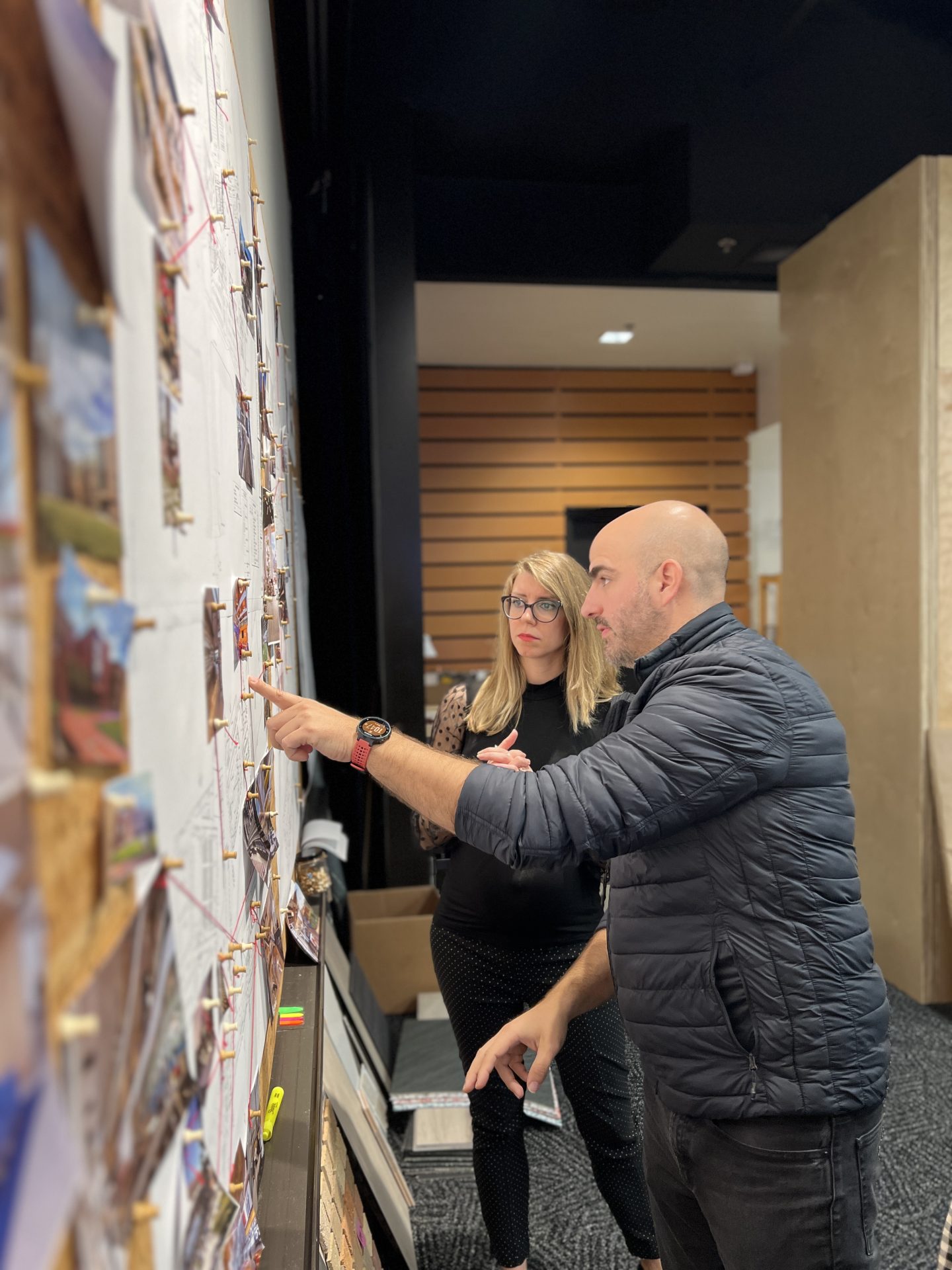
The work began with educational visioning and stakeholder engagement as Seguin ISD and Pfluger explored how learning environments could better support teaching and instruction. Teachers, principals, librarians, parents, and district leaders considered how students learn, how instruction is changing, and what teachers need from the spaces they use every day. Those conversations led to a set of guiding principles for the furniture initiative. New furnishings needed to be flexible, comfortable, durable, age appropriate, easy to reconfigure, and supportive of collaboration. They also needed to make thoughtful use of the space already available.
Those principles became more than a list of preferences. They became a filter for every decision that followed. Instead of comparing products based only on price, appearance, or availability, the district could evaluate whether each option supported the learning experiences it had already defined. Procurement remained important, but it no longer drove the vision. The vision drove procurement.
That distinction matters. Furniture is often treated as one of the final decisions in a project, selected after the larger educational and architectural questions have been resolved. In practice, however, furniture plays an active role in how a classroom functions. It can make collaboration easier or more difficult. It can give students choice or restrict movement. It can help teachers shift between whole-group instruction, small-group work, and individual learning, or it can force every lesson into the same arrangement.
Seguin ISD’s process also recognized that successful implementation does not end when furniture arrives. Product demonstrations, user feedback, installation planning, and training all helped translate the original vision into daily classroom practice. Teachers needed to understand not only how furniture could move, but why those choices mattered. Students needed environments that felt intuitive, comfortable, and responsive to the way they learn.
The result was not simply a districtwide furniture replacement. It was a more thoughtful alignment between space, instruction, and student experience. The buildings did not change, but the possibilities within them did.
Districts do not always have to wait for a new school, a major renovation, or a future bond program to improve the learning experience. Sometimes meaningful change begins with a closer look at the spaces students and teachers already use and a willingness to ask a better question.
Not, “What should we buy?”
But, “What should learning feel like?”